Organic Farming to Regenerative Farming
Category: ORGANIC AGRICULTURE - DOMESTIC
Organic farming began sustainability, but regenerative agriculture goes further—restoring soil, boosting biodiversity, and capturing carbon. It builds resilient farms, improves farmer income, and shapes a climate-smart future for agriculture.
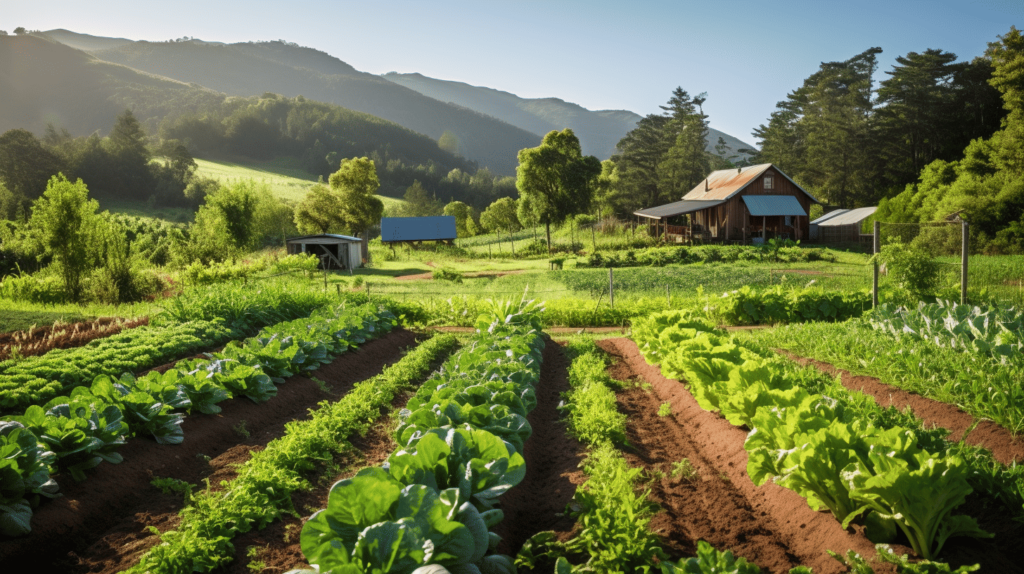
For years, organic farming has been seen as the gold standard of sustainable agriculture. It promised chemical-free produce, healthier soils, and a safer environment. Across the world, consumers shifted towards organic products, and farmers began adopting practices that reduced dependency on synthetic inputs. But today, a new realization is emerging—organic alone is not enough.
Organic farming focuses on avoiding harm. Regenerative farming, on the other hand, focuses on healing. This fundamental shift is what makes regenerative agriculture the most powerful movement shaping the future of food systems.
Globally, organic agriculture has grown into a massive industry, contributing to a market worth billions of dollars. India alone has over 2.78 million hectares under organic farming, making it one of the largest organic producers in the world.
However, despite this growth, only about 4% of India’s total agricultural land is under organic cultivation, indicating both the scale of opportunity and the limitations of current approaches.
This is where regenerative farming is gaining attention.
Unlike organic farming, regenerative agriculture actively improves soil health. Studies across India analyzing over 147 research cases show that regenerative practices significantly increase soil organic carbon, especially when applied consistently over time.
This is critical because soil carbon is directly linked to fertility, water retention, and climate resilience.
The difference becomes even clearer when we look at results from the field. In Maharashtra, regenerative practices have helped farmers increase yields by up to 30% while reducing water usage by 30%. In Karnataka, farmers adopting regenerative methods reported up to 40% higher profits due to diversified cropping systems.
In Andhra Pradesh, one of the world’s largest natural farming programs has already engaged over 6 lakh farmers, demonstrating that regenerative practices can scale at a massive level.
Kerala, too, is quietly positioning itself as a leader in this transition. Known for its eco-conscious policies, the state has been actively promoting organic and regenerative practices through structured missions. Initiatives now encourage methods like composting, crop rotation, and cover cropping to rebuild soil health and improve resilience against climate change.
Recent developments also show a renewed focus on agriculture in Kerala. Programs aimed at bringing fallow land back into cultivation are targeting nearly one lakh hectares, creating new opportunities for sustainable and regenerative farming models.
The economic side of this transition is equally compelling. Organic farming already offers up to 30% higher returns due to premium pricing.
Regenerative farming goes a step further by reducing input costs, improving long-term productivity, and even opening doors to emerging revenue streams like carbon credits.
At a global level, large corporations and institutions are now investing heavily in regenerative agriculture. Major sustainability commitments aim to bring millions of acres under regenerative practices by 2030, highlighting how mainstream this approach is becoming.
But beyond data and economics, the real strength of regenerative farming lies in its philosophy. It redefines agriculture not as an extractive activity, but as a regenerative cycle—where farming enriches the land instead of depleting it.
It promotes biodiversity instead of monoculture. It restores water cycles instead of exhausting them. It captures carbon instead of emitting it.
For regions like Kerala, where land is limited and ecological balance is crucial, this approach is not just beneficial—it is essential.
The future of agriculture is no longer about choosing between organic and conventional. It is about moving toward systems that actively rebuild ecosystems while ensuring farmer profitability and food security.
Organic farming started the journey.
Regenerative farming is defining the destination.